 ASIC Miner Insider
Best ASIC Miner for Home 2026: Maximizing ROI with Silent, Energy-Efficient Rigs
Discover the **best ASIC miner for home 2026** with our guide on silent, high-efficiency rigs.
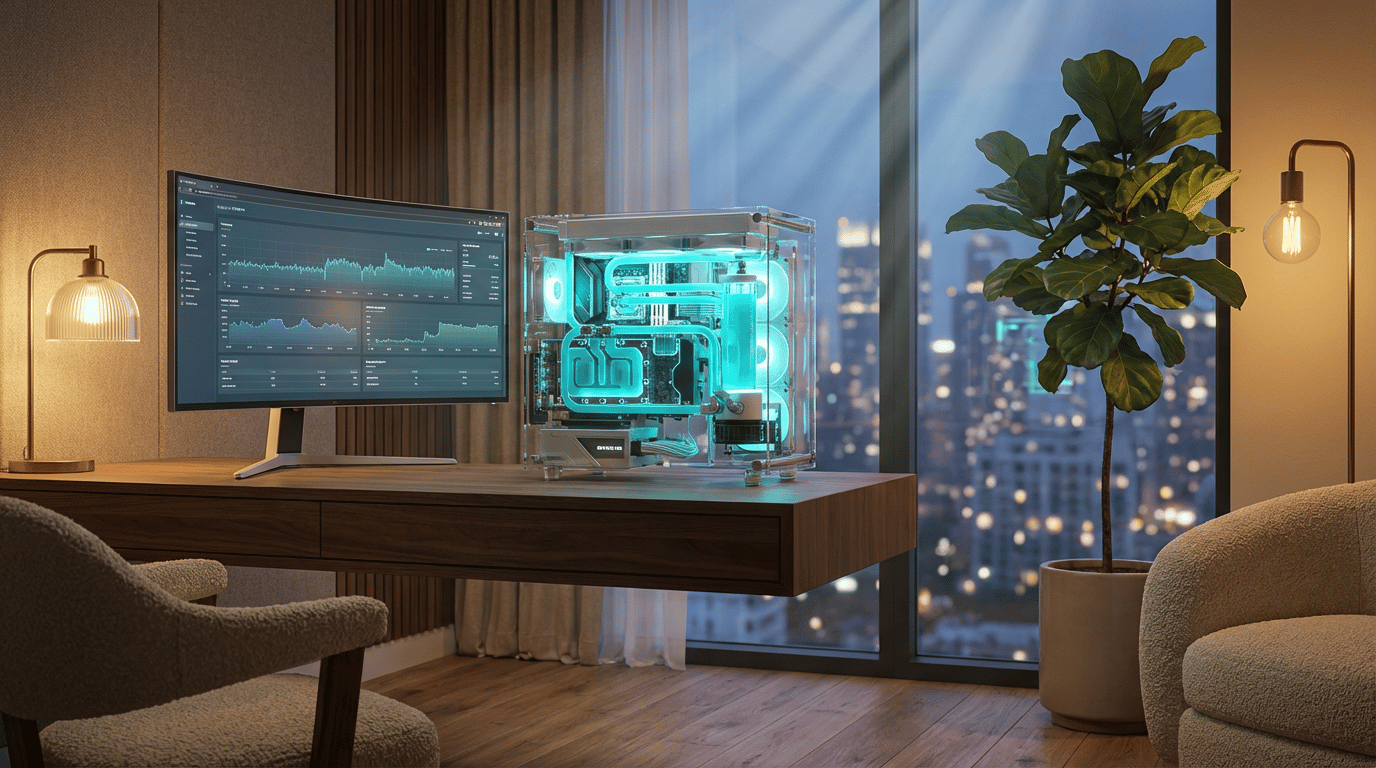
For crypto enthusiasts looking to secure the network from their living room or garage, the best ASIC miner for home 2026 is undoubtedly a hydro-cooled unit like the Antminer S21 Hydro series or a specialized, compact home-miner like the FutureBit Apollo. These devices represent the pinnacle of residential mining technology, solving the two biggest pain points for home users: deafening noise and unmanageable heat. By utilizing liquid cooling and high-efficiency chips, these rigs allow you to mine Bitcoin and other cryptocurrencies profitably without turning your home into an industrial factory.
The Evolution of Residential Crypto Mining
As we settle into 2026, the landscape of cryptocurrency mining has shifted dramatically. Gone are the days when mining was reserved solely for massive warehouses in remote locations. While industrial farms still dominate the hashrate, a resurgence of the "home miner" is underway, driven by a desire for decentralization and personal asset accumulation. However, the hardware requirements have changed. The post-halving economics demand extreme efficiency.
In the past, bringing a miner home meant tolerating the sound of a jet engine and the heat of a space heater. Today, manufacturers have finally recognized the residential market as a vital sector. The focus has moved from pure, raw power at any cost to efficiency per watt and environmental compatibility.
The Conflict: Why Traditional Miners Fail at Home
Despite the advancements, a major conflict remains for the average buyer: standard industrial ASICs are simply not designed for human habitation. A typical air-cooled miner generates over 75 decibels (dB) of noise—equivalent to a vacuum cleaner running 24/7. In a residential setting, this is a recipe for sleep deprivation and domestic disputes.
Furthermore, home mining electricity costs are generally higher than industrial rates. Running an inefficient machine in 2026 is a guaranteed way to lose money. The heat generation is another hurdle; a powerful miner can output 3,000 to 5,000 watts of heat. Without a proper exhaust strategy, this turns a bedroom into a sauna within minutes. These barriers—noise, heat, and cost—create a specific problem set that requires a tailored solution.
What Defines a "Home-Ready" Miner?
Before purchasing hardware, we must define the criteria that make a machine viable for a house. To find the best ASIC miner for home 2026, you must evaluate three critical factors:
1. Decibel Levels and Silent Operations
Silent crypto mining rigs are no longer a myth; they are a necessity. For a miner to be truly "home-ready," it needs to operate under 50dB, or be compatible with immersion cooling tanks that dampen sound. Hydro-cooling technology, which circulates water or oil across the hashboards, has become the gold standard for reducing noise.
2. Electrical Compatibility
Most industrial miners require 240V outlets, which are standard in Europe but require special wiring in the US (like a dryer outlet). A true home miner should offer flexibility or justify the cost of installing a dedicated 240V circuit. Additionally, the amperage draw must be safe for residential breakers.
3. Efficiency (Joules per Terahash)
With residential electricity rates often hovering between $0.10 and $0.14 per kWh, efficiency is the only way to achieve ROI. You need a machine that squeezes the maximum amount of hashing power out of every watt of electricity consumed.
Top Picks: The Best ASIC Miner for Home 2026
Based on current performance metrics, noise levels, and efficiency, here are the top recommendations for setting up a profitable home operation.
The Powerhouse: Antminer S21 Hydro Series
When it comes to raw performance, the hydro-cooled variants of the S21 series remain the king of the hill. Unlike their air-cooled predecessors that rely on screaming high-RPM fans, the Hydro series uses water circulation to remove heat. This results in a significantly quieter operation.
While it requires a radiator kit (often sold separately or integrated into a silent box), the S21 Hydro offers the best efficiency on the market, often dipping below 16 J/TH. For a home with a garage or a basement and access to 240V power, this is the ultimate choice for maximizing Bitcoin accumulation. The liquid cooling also extends the lifespan of the chips by maintaining a stable temperature, protecting your investment for the long haul.
The Compact Hobbyist Choice: FutureBit Apollo
If you don't have a dedicated electrical circuit or space for a radiator, the FutureBit Apollo series remains the best entry-level option. Designed specifically for the desk of a crypto enthusiast, these units look more like a gaming console than a piece of industrial machinery.
They run quietly enough to sit in an office, draw lower power that works on standard 110V outlets, and often come with integrated full-node capabilities. While they don't boast the massive hashrate of the S21, their efficiency-to-convenience ratio is unmatched for casual miners who want to support the network without remodeling their house.
The Altcoin Specialist: Goldshell & IceRiver Models
For those looking to mine cryptocurrencies other than Bitcoin, such as Kaspa or Litecoin/Dogecoin, brands like Goldshell and IceRiver have released "Home" or "Box" editions. These units are specifically engineered for residential use. They typically consume under 800 watts, generate minimal heat, and are whisper-quiet. In 2026, diversifying into high-yield altcoins using these silent crypto mining rigs can often yield a faster ROI than Bitcoin mining, provided you manage the volatility of the asset price.
Optimizing Your Residential ASIC Setup
Choosing the hardware is only half the battle. To truly succeed, you must optimize your environment.
Repurposing Mining Heat
One of the smartest trends in 2026 is mining heat repurposing. A 3,000-watt miner is essentially a 3,000-watt heater that prints money. By venting your ASIC miner into your HVAC intake or using it to heat a garage or basement during winter, you are effectively offsetting your heating bill. This "dual-use" of electricity drastically improves your effective profitability. If you are paying for heat anyway, the cost to mine crypto becomes negligible.
Soundproofing and Airflow
Even with quieter machines, airflow is critical. Ensure your residential ASIC setup has a clear intake of cool air and a direct exhaust of hot air out of the building. Window shrouds, typically used for portable air conditioners, are excellent for venting miners. For air-cooled units, investing in a sound-dampening box (often lined with acoustic foam) can reduce noise levels by another 10-15 dB, making even louder units tolerable.
Conclusion: Balancing Profit and Lifestyle
Finding the best ASIC miner for home 2026 is a balance between your budget, your electrical infrastructure, and your tolerance for noise. For those seeking maximum profit and who can handle a 240V setup, liquid-cooled hydro miners offer the best efficiency and silence. For the hobbyist, compact units like the FutureBit offer a friction-free entry point.
Ultimately, home mining in 2026 is not just about the coins you generate; it's about sovereignty. By running a miner at home, you are contributing to the security of the decentralized web. With the right hardware, you can turn electricity into digital assets quietly and efficiently, ensuring your mining operation enhances your home rather than disrupting it.
FAQs
What are the best ASIC miners recommended for home use in 2026?
For raw performance and efficiency, the Antminer S21 Hydro series is the top recommendation due to its quiet liquid cooling. For hobbyists needing a compact, plug-and-play solution, the FutureBit Apollo is the preferred choice as it works on standard outlets and fits easily on a desk.
Why are standard industrial miners difficult to use in a residential setting?
Industrial miners are generally unsuited for homes because of three main conflicts:
- Noise: They produce over 75dB, similar to a vacuum cleaner running constantly.
- Heat: A single unit can output 3,000 to 5,000 watts of heat, turning a room into a sauna.
- Electricity Cost: Their lower efficiency makes them unprofitable given higher residential electricity rates.
What are the critical factors defining a 'home-ready' miner?
To be considered viable for home use, a miner must meet three criteria:
- Silent Operations: Operating under 50dB or utilizing hydro-cooling/immersion technology.
- Electrical Compatibility: Suitability for residential amperage and voltage (or justifying a 240V install).
- High Efficiency: A low Joules per Terahash (J/TH) rating to ensure ROI despite residential power costs.
How can home miners offset costs using the heat generated by the hardware?
Miners can utilize heat repurposing strategies. By venting the ASIC miner's exhaust into HVAC intakes or using it to heat spaces like garages or basements during winter, users can offset their traditional heating bills, making the 'dual-use' of electricity significantly more profitable.
Are there quiet options available for mining cryptocurrencies other than Bitcoin?
Yes. Brands like Goldshell and IceRiver offer 'Home' or 'Box' editions tailored for altcoins like Kaspa, Litecoin, and Dogecoin. These specific units are engineered to be whisper-quiet, generate minimal heat, and typically consume under 800 watts.